

If you want to read hidden markings on playing cards during private games, invisible ink products are your primary tool. But the market offers dozens of options—different card brands, multiple types of reading glasses, and several contact lens styles. Choosing the wrong combination wastes money and delivers poor results.
This buying guide breaks down every invisible ink product category so you can make an informed decision based on your game format, comfort preferences, and budget.
What Are Invisible Ink Marked Cards?
Invisible ink marked cards are standard playing cards printed with markings invisible to the naked eye but visible through specialized infrared or UV filters. According to research published in Scientific Reports (Springer Nature, 2022), near-infrared-excited luminescent materials can encode information invisible under normal lighting yet clearly readable through specific optical filters—a principle directly applicable to card marking technology (Przybylska et al., Scientific Reports).
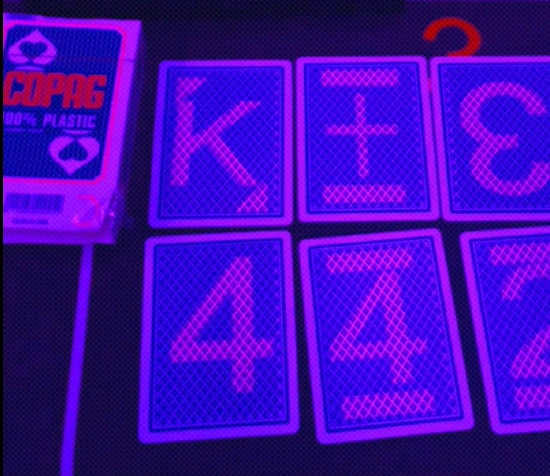
The ink formulations fall into two categories:
- Luminous (back-marked) ink: Marks appear on the card back, visible through infrared glasses or contact lenses. These are the most common type for poker games where you handle the deck.
- Barcode (side-marked) ink: Marks encode along the card edges as a scannable barcode, readable only by a poker analyzer’s scanning camera. See our guide to how barcode marked decks work with poker analyzers for full details.
Choosing the Right Card Brand
The quality of invisible ink markings depends heavily on the underlying card stock. Premium brands hold ink better, resist wear, and feel identical to unmarked decks. Here are the top options:
Bicycle — The Most Popular Choice
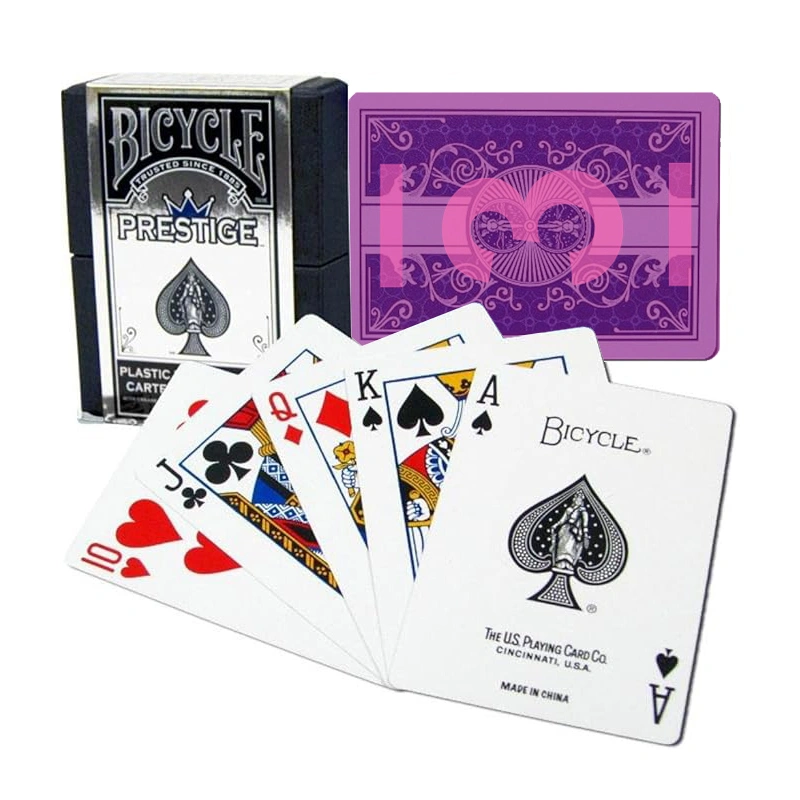
Bicycle invisible ink marked cards use the standard USPCC paper stock familiar to every poker player. The markings integrate seamlessly into the classic card back design, making detection virtually impossible during casual inspection. Bicycle decks are affordable and widely available, making them the go-to for Texas Hold’em home games.
Modiano — Premium Plastic Durability
Modiano cards are 100% plastic, meaning they last significantly longer than paper decks. Modiano Platinum Acetate luminous ink cards maintain their invisible markings through hundreds of hands because plastic stock doesn’t absorb sweat or oils that can degrade ink over time. If you play frequent sessions or in humid environments, Modiano is the superior choice.
Copag — Balanced Quality at Mid-Range Pricing
Copag 4 Color marked decks offer genuine 100% plastic quality at a lower price point than Modiano. Their four-color design (each suit in a distinct color) actually makes markings easier to read because the color coding adds an extra visual cue through your infrared reader.
Fournier — Casino-Grade Professional Cards
Fournier cards are used in European casinos. Fournier 2818 marked playing cards combine premium card feel with highly precise invisible ink placement. The red and blue back patterns provide excellent contrast for luminous markings under infrared light.
Invisible Ink Glasses vs. Contact Lenses: Which Reader Is Right for You?
You need a reader to see invisible ink markings. The two options—glasses and contact lenses—serve different needs:
Invisible Ink Glasses
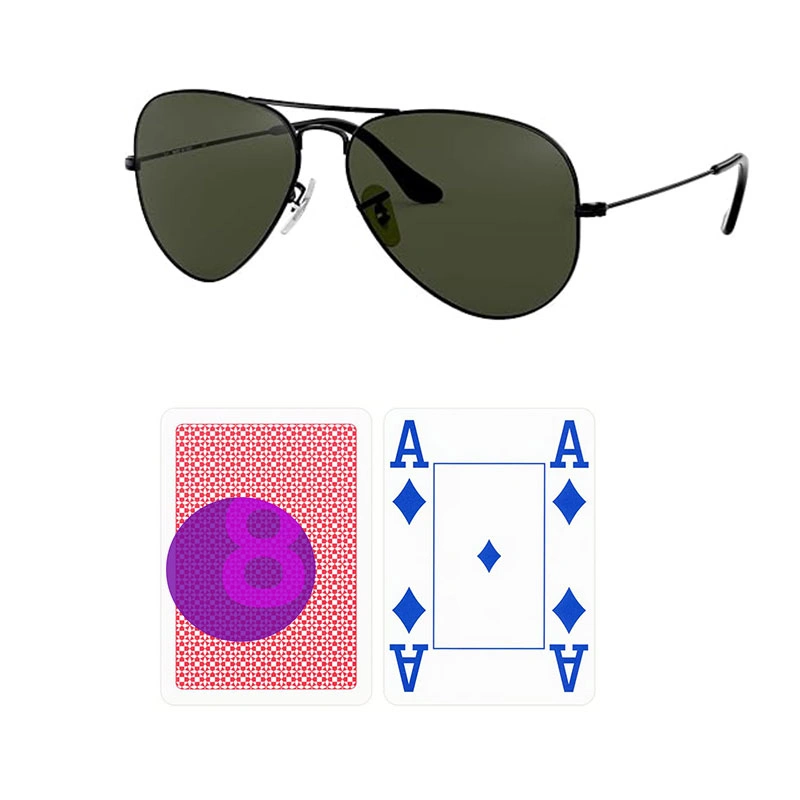
Invisible ink glasses come in two styles:
- Clear lens glasses: Look like regular prescription glasses. Best for games where you sit at the table for extended periods and need a natural appearance.
- Sunglasses (aviator/styled): Ideal for casual games or venues where wearing sunglasses is socially normal. They provide the same infrared filter but with a casual aesthetic.
Advantages of glasses:
- No eye discomfort—zero adjustment period
- Easy to put on and remove between hands
- Available in multiple frame styles to match your look
Limitations:
- Visible to observant opponents—you are wearing glasses at a card table
- Reading angle matters—you need a direct line of sight to the card backs
For a detailed comparison, see our guide comparing infrared contact lenses vs. glasses for reading marked cards.
Invisible Ink Contact Lenses
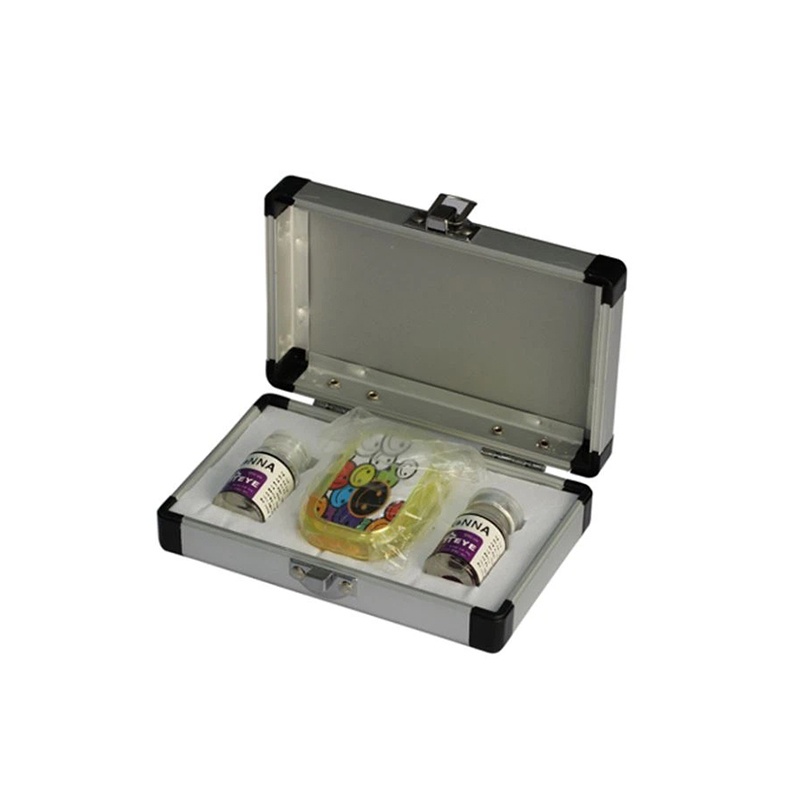
Invisible ink contact lenses embed the infrared filter directly in a soft contact lens. They are the stealthiest option because nothing on your face signals that you’re reading marked cards.
Advantages of contact lenses:
- Completely invisible to opponents—no external sign
- Wider field of view—see markings at any angle
- No frame interference when looking at cards held by other players
Limitations:
- Require a brief adjustment period (1-2 sessions) for comfort
- Not suitable if you have existing eye conditions or severe dry eyes
- Must follow hygiene protocols—clean and store properly between sessions
Browse our full infrared contact lenses collection to find the right pair for your eye color and game style.
Luminous Ink vs. Barcode Ink: Matching Cards to Your Strategy
Your choice of ink type determines which reader you need and how you use the information:
| Feature | Luminous Ink (Back Marks) | Barcode Ink (Side Marks) |
|---|---|---|
| Read by | Glasses or contact lenses | Poker analyzer scanning camera |
| Information revealed | Suit and value visible on card back | Full hand analysis via analyzer |
| Best game format | Any game where you handle or see cards | Texas Hold’em, Omaha with analyzer system |
| Required equipment | Glasses or lenses only | Analyzer + scanner + barcode deck |
| Stealth level | Depends on reader choice | Very high (scanner is hidden) |
If you play without an analyzer system, luminous ink cards with glasses or lenses are your complete solution. If you run a full barcode marked cards setup, you need barcode ink decks paired with your analyzer.
5 Buying Mistakes to Avoid
1. Mixing Ink Types with Wrong Readers
Luminous ink markings are invisible to barcode scanners, and barcode markings are invisible to infrared glasses. Each ink type requires its matched reader. Buying luminous ink cards for an analyzer system won’t work.
2. Choosing Cheap Card Brands
Low-quality card stock absorbs invisible ink unevenly, resulting in faded or distorted markings after just a few hands. Stick with Bicycle, Copag, Modiano, or Fournier for consistent mark clarity.
3. Ignoring Comfort with Contact Lenses
If you’ve never worn contact lenses, start with glasses first. Switching to lenses mid-game without practice causes discomfort and distraction—exactly what you want to avoid during play.
4. Buying Single Decks
Always purchase at least two marked decks. If markings on one deck become worn or if a deck gets damaged, you have a backup ready. Marked cards are consumable products—they have a limited lifespan.
5. Not Testing Before Game Night
Test your complete setup (cards + reader) in a controlled environment before using it in a live game. Verify that markings are clear, your reader fits properly, and you can identify suits and values quickly.
How to Maintain Your Invisible Ink Products
Maintenance is critical for preserving marking quality:
- Marked cards: Store in original packaging away from direct sunlight. UV exposure degrades invisible ink over time. Handle cards with clean, dry hands—oils accelerate ink fading.
- Glasses: Clean infrared filter lenses with a microfiber cloth only. Never use alcohol-based cleaners, which can damage the IR coating. Store in a hard case.
- Contact lenses: Follow standard contact lens hygiene—clean with saline solution, store in a sterile case, replace per the recommended schedule.
For detailed usage instructions, see our comprehensive guide to invisible ink glasses for reading marked cards.
Complete Setup Recommendations by Game Type
For Casual Home Games (Texas Hold’em)
Best setup: Bicycle luminous ink marked cards + invisible ink clear glasses. Low cost, natural appearance, easy to use.
For Regular Private Sessions
Best setup: Modiano luminous ink cards + invisible ink contact lenses. Premium durability, maximum stealth.
For Professional Analyzer Systems
Best setup: barcode marked cards (Copag or Modiano) + poker analyzer + hidden scanning camera. Full hand prediction with zero visible equipment.
Frequently Asked Questions
Can invisible ink markings fade over time?
Yes, markings gradually fade with heavy use and exposure to UV light. Premium plastic cards (Modiano, Copag) retain markings longer than paper decks (Bicycle). Expect 50-100 hands of optimal clarity from paper decks and 200+ from plastic before noticeable degradation. Store cards away from sunlight and handle with clean hands to maximize lifespan.
Are invisible ink contact lenses safe to wear?
Invisible ink contact lenses use soft lens material with embedded infrared filters, similar to standard colored contact lenses. They are safe for healthy eyes when you follow proper hygiene—clean with saline solution, store in a sterile case, and don’t wear for more than 8 hours per session. If you have existing eye conditions, consult an eye care professional before use.
What is the difference between luminous ink and infrared ink?
“Luminous ink” and “infrared ink” refer to the same technology—markings printed with ink that fluoresces under near-infrared light (typically 780-1000nm wavelength). Both terms describe ink invisible to the naked eye but readable through IR-filtered glasses or contact lenses. The term “luminous” emphasizes the glowing effect under the filter, while “infrared” refers to the wavelength spectrum used.
Can anyone at the table detect my invisible ink glasses?
Clear lens invisible ink glasses look identical to normal prescription glasses—no one can distinguish them by appearance. Sunglasses-style IR readers are similarly indistinguishable from regular sunglasses. The infrared filter coating is invisible from the outside. However, if you wear glasses only during card games and remove them between sessions, observant players might notice the pattern.
Do I need a poker analyzer to use invisible ink marked cards?
No. Luminous ink (back-marked) cards are designed to be read directly through infrared glasses or contact lenses—you see the suit and value on each card back without any electronic device. A poker analyzer is only required for barcode (side-marked) cards, which encode information as scannable data rather than visible symbols.